




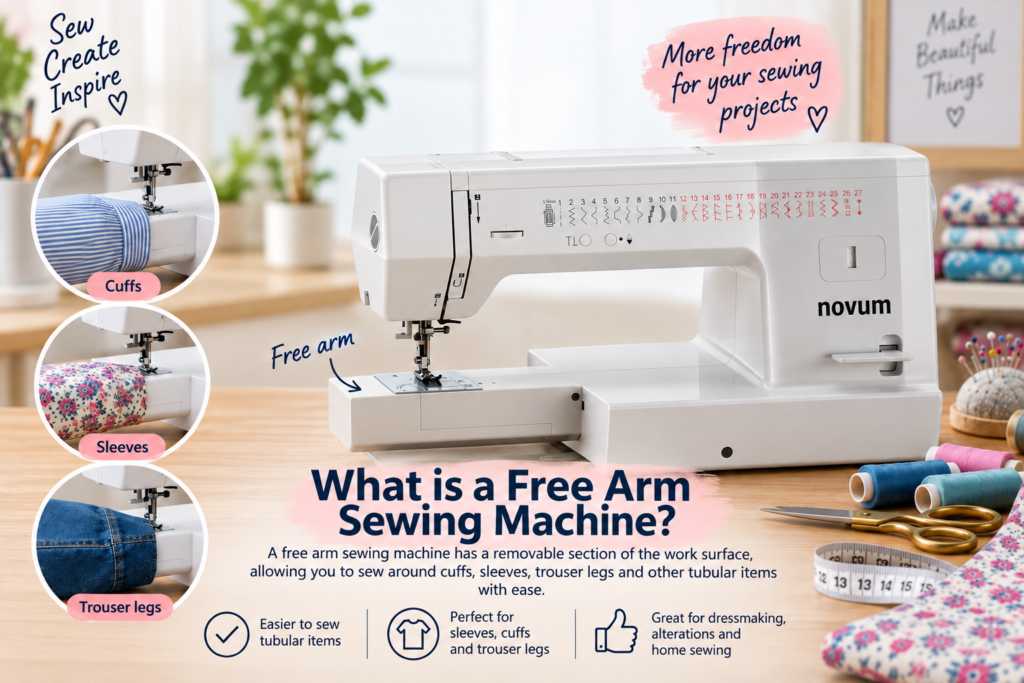
A free arm is a narrow section of a sewing machine that makes it easier to sew small, circular or tubular areas of fabric. It’s particularly useful when sewing sleeves, trouser legs and cuffs.
How Does a Free Arm Work?
On many sewing machines, part of the flat sewing bed or accessory compartment can be removed. Once removed, you’re left with a narrower section underneath the needle called the free arm, with open space beneath it.
That narrow profile is what makes it useful: you can slide a tubular piece of fabric around the arm and rotate it as you sew, without the arm catching against a table or wider surface getting in the way. It genuinely helps prevent one of the more common stitching mistakes, accidentally catching an extra layer of fabric on a tight, tubular section.
What Can I Use a Free Arm For?
A free arm is particularly useful for:
- Sleeve hems
- Trouser hems
- Cuffs
- Children’s clothing
- Small circular projects
- Clothing alterations and repairs
Instead of trying to keep several fabric layers out of the way, you can position the garment around the machine.
Do All Sewing Machines Have a Free Arm?
Many domestic sewing machines do, but not all. Some specialist and quilting machines may have a permanently flat sewing bed instead.
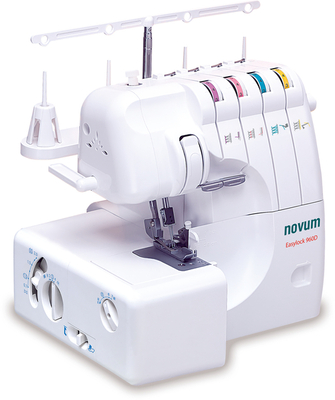
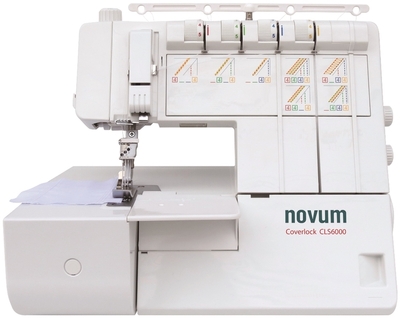
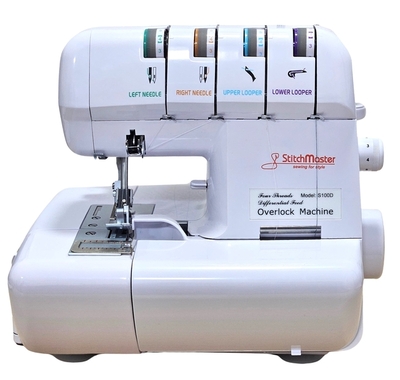
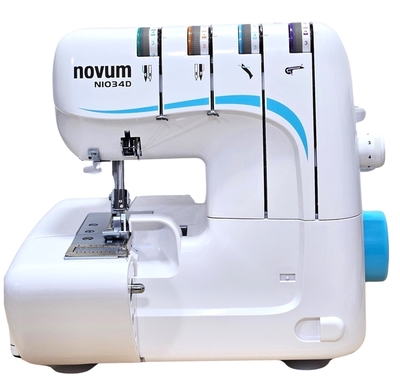
On smaller, portable machines, the free arm is often simply exposed all the time rather than being uncovered by removing an accessory tray. Overlockers and coverstitch machines can have a free arm too, useful for exactly the same reason, working on cuffs and hems without extra fabric getting caught underneath.
If you’re buying a machine for dressmaking and alterations, a free arm is a useful feature to have.
Do Beginners Need a Free Arm?
It’s not essential, but we’d certainly recommend one for general home sewing. If you’re planning to shorten trousers, make clothing or sew children’s garments, you’ll probably use it regularly.
Is a Smaller Free Arm Better?
A narrower free arm can make it easier to sew very small openings, such as children’s cuffs and sleeves. However, free-arm size varies considerably between sewing machines, and it’s really two separate measurements worth checking: the diameter, which determines the smallest circle of fabric you can comfortably work with, and the length, which determines how much of a sleeve or trouser leg you can actually fit over the arm at once. A longer free arm gives you more room to reposition bulkier garments as you sew, rather than working right at the very tip.
Free Arm vs Flatbed Sewing
Many domestic sewing machines give you both options simply by removing or attaching the accessory compartment, and it’s rarely a case of picking one over the other. Here’s how they compare:
Free arm: for
- Lets you slide fabric around the arm and rotate it as you sew, rather than working with everything flat
- Reduces the risk of accidentally stitching through an extra layer of fabric
Free arm: against
- Smaller working surface, with less support underneath
- Larger flat pieces can shift slightly and lead to uneven stitching
- Not suited to long straight seams or quilting
Flatbed: for
- Wide, well-supported surface for most normal seams
- Better control over larger pieces of fabric, since less can shift or sag
- The standard setup most machines default to
Flatbed: against
- Awkward for tubular sections like sleeves and trouser legs
- Easier to accidentally catch and stitch through extra layers of fabric
- Not much help for small circular repairs or alterations
Long Arm Machines with a Longer Free Arm
Some long arm sewing machines have a separate, removable accessory tray that converts the flat bed into a free arm, giving you both features on the same machine, extra workspace for big projects, and a free arm underneath for sleeves and cuffs. In GUR’s Novum Pro range, the Q9, Q100, Q400 and Q500 are good examples, each combining that extended long arm workspace with a free arm that’s longer than you’ll find on a standard entry-level machine, useful if you regularly work with larger garments or thicker fabric as well as quilting projects. It’s still worth checking the specification of any individual machine rather than assuming, since not every long arm machine includes a free arm.
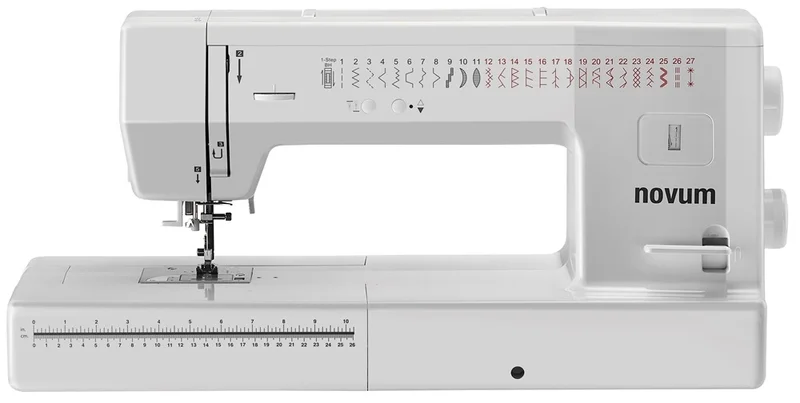
Novum Q9 Long Arm Sewing Machine
Sewing Machines with Free Arms at GUR Sewing Machines
At GUR Sewing Machines, you’ll find sewing machines suitable for everything from beginner sewing and alterations to advanced dressmaking.
If you’re choosing your first machine, a free arm is one of those simple features that’s well worth having.
The easiest way to remember it is:
Flatbed = general sewing.
Free arm = sleeves, cuffs and trouser legs.