





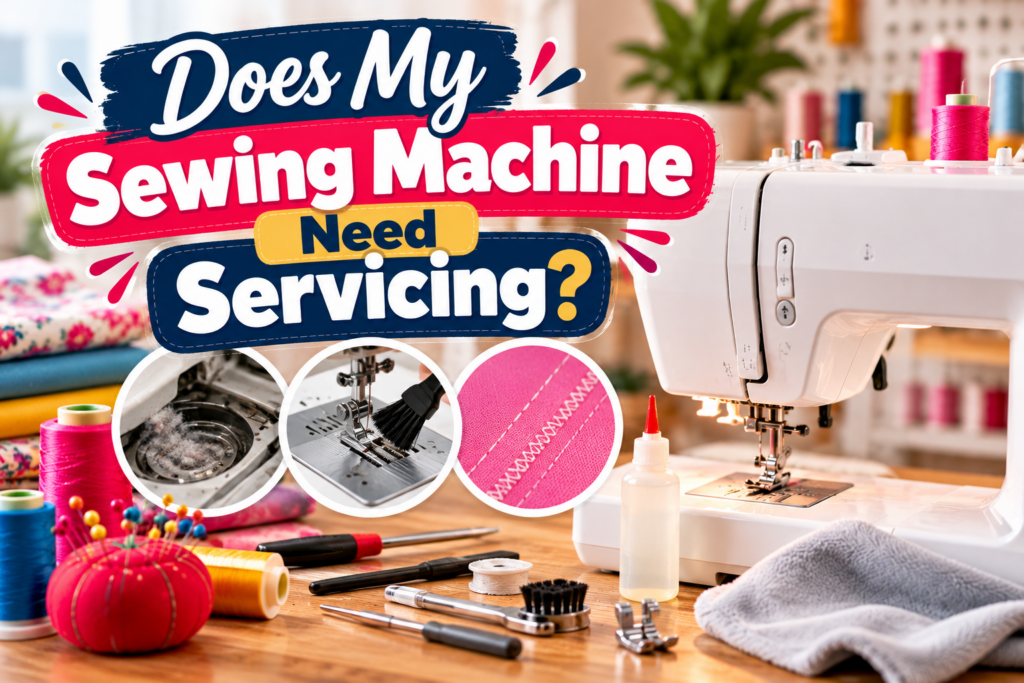
Just like any mechanical equipment, a sewing machine benefits from regular maintenance. Even if your machine seems to be working perfectly, lint, dust and general wear can gradually affect its performance.
But how do you know when your sewing machine actually needs a service? The answer depends on how often you use it, its age and whether you’re experiencing any problems.
What Does a Sewing Machine Service Include?
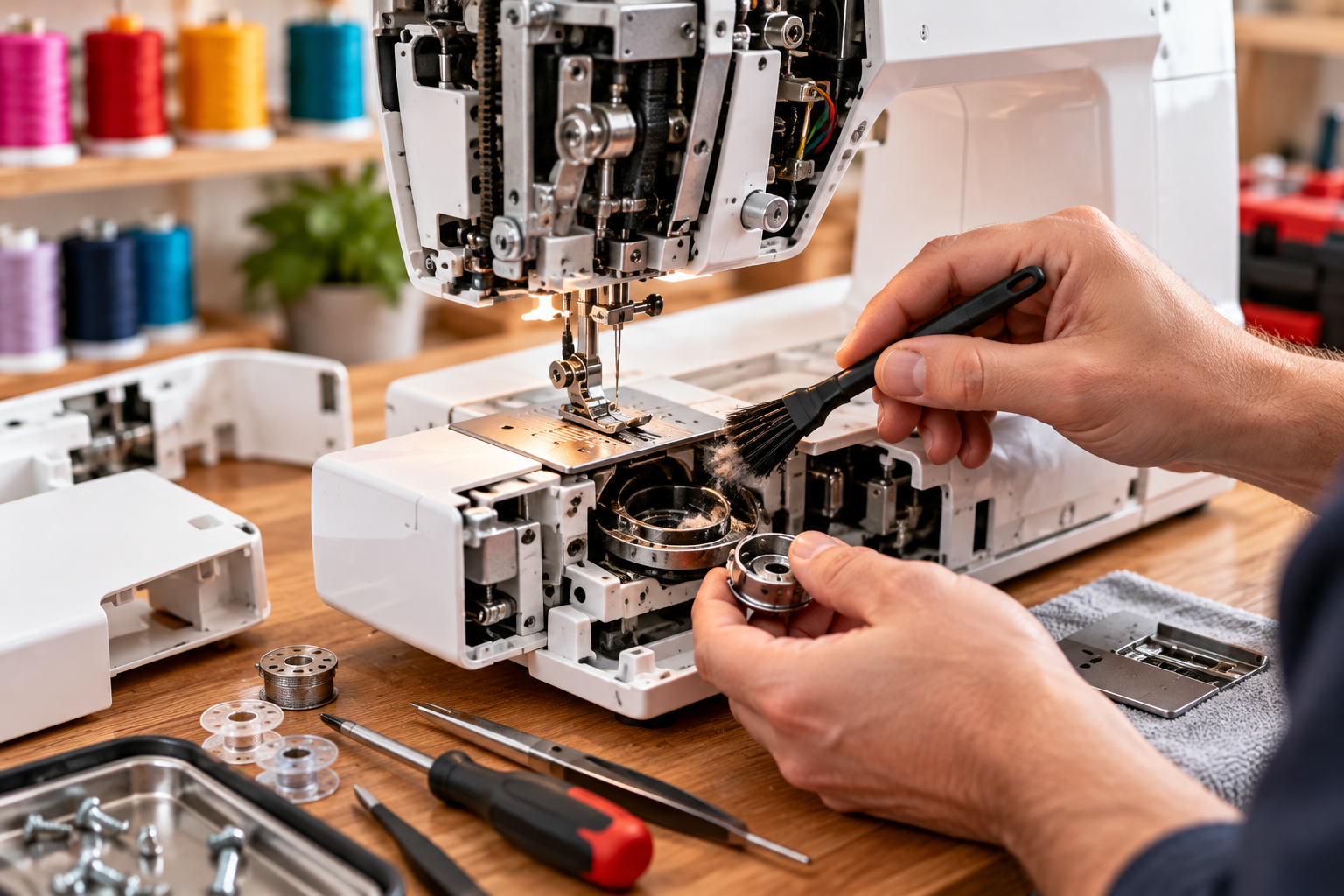
A professional sewing machine service goes further than the basic cleaning you can do at home.
Depending on the machine and service required, a technician may inspect areas such as the internal mechanisms, tension system, bobbin and hook area, feed mechanism, needle alignment, timing, belts and moving components, and electrical components where appropriate. The machine can also be cleaned and lubricated where required.
The exact procedure will vary depending on whether you have a mechanical, computerised, embroidery or specialist machine.
How Often Should I Service My Sewing Machine?
There isn’t one schedule that applies to every machine. Someone sewing professionally for several hours every day will naturally put considerably more wear on a machine than someone who uses theirs once a month.
As a general guide, heavy users may find regular professional servicing worthwhile, potentially annually or according to the manufacturer’s guidance. Regular home users should have the machine checked periodically, particularly if they notice a change in performance. Occasional users may not need servicing as frequently, but age and long periods without use can still affect a machine.
It’s also worth building in some simple habits between professional services: a light clean every 8 to 10 hours of sewing, especially with linty fabrics such as fleece or felt, and a fuller at-home check every few months depending on how much you sew. Always check the manufacturer’s recommendations for your particular model.
Signs Your Sewing Machine May Need a Service
Your machine doesn’t necessarily need to completely stop working before you have it checked.
Warning signs can include unusual noises, repeated skipped stitches, persistent tension problems, fabric not feeding properly, frequent thread breaking, the needle striking parts of the machine, the machine running unusually slowly, irregular stitch length, excessive vibration, or the machine becoming stiff or difficult to operate.
If your machine suddenly starts behaving differently, investigate rather than simply continuing to sew.
Check the Basics First
Not every sewing problem means you need a professional service. Before booking your machine in, try some simple checks.
Rethread the machine. Incorrect threading can cause a surprising number of problems. Remove the upper thread completely and rethread the machine with the presser foot raised.
Check the bobbin. Make sure it’s the correct bobbin, inserted correctly, wound properly, and that the bobbin area is clean.
Change the needle. A bent, blunt or unsuitable needle can cause skipped stitches, thread breaking and poor stitch quality. Fit a fresh needle suitable for your fabric.
Clean the machine. Lint around the bobbin area and feed dogs can affect performance. Clean the areas recommended in your machine’s instruction manual.
If you’ve tried these steps and the problem remains, professional attention may be appropriate.
Does a Sewing Machine Need Servicing If It Isn’t Used?
Potentially. A machine that has been sitting unused for many years isn’t automatically ready to start sewing again. Older lubricants can deteriorate and mechanisms may become stiff.
If you’ve inherited a sewing machine that’s been stored for a long time, having it professionally checked before extensive use can be sensible.
Should I Oil My Sewing Machine Myself?
Only if the manufacturer tells you to.
Some older mechanical sewing machines require regular user oiling. Many modern machines don’t, since parts are often lubricated at the factory or made from materials such as plastic that don’t need oil, and some manufacturers explicitly say the machine must not be oiled by the user.
Never randomly add oil to a sewing machine because you think it sounds dry. Check the manual for your exact model. If oiling is required, use the correct sewing-machine oil in the specified locations, apply it sparingly, and run a few lines of stitching on scrap fabric afterwards to pick up any excess before it can mark your project.
Can I Service My Sewing Machine Myself?
You can certainly perform basic maintenance. This may include removing lint, cleaning the bobbin area, cleaning around the feed dogs, changing needles and checking threading.
But a professional service can involve inspecting and adjusting internal components that aren’t intended for routine user maintenance. Unless you know what you’re doing, don’t start dismantling the machine.
Why Is My Sewing Machine Suddenly Noisy?
A change in sound is worth investigating. First, stop sewing, check the needle, rethread the machine, check the bobbin, look for tangled thread, and clean visible lint.
If the unusual sound continues, have the machine inspected. Grinding, knocking or other abnormal noises shouldn’t simply be ignored.
Why Does My Machine Keep Skipping Stitches?
Skipped stitches don’t automatically mean your machine needs servicing. Try changing the needle first, and check that it’s the correct type and size, fully inserted, and facing the correct direction.
If skipped stitches continue across different fabrics with fresh suitable needles and correct threading, the machine may need professional attention.
Why Is My Sewing Machine Tension Wrong?
Before changing tension settings, completely rethread the machine. Many apparent tension problems are actually caused by incorrect threading. Also check the bobbin and needle.
If you consistently can’t achieve balanced stitches despite correct setup, servicing may be worthwhile.
What If My Needle Keeps Hitting the Needle Plate?
Stop using the machine.
A needle repeatedly striking the needle plate, bobbin area or presser foot can indicate an incorrect needle position, the wrong presser foot, a bent needle, incorrect machine setup, or potential alignment or timing problems.
Don’t keep sewing and repeatedly breaking needles.
Mechanical vs Computerised Sewing Machines
Both types benefit from proper maintenance, but their construction differs.
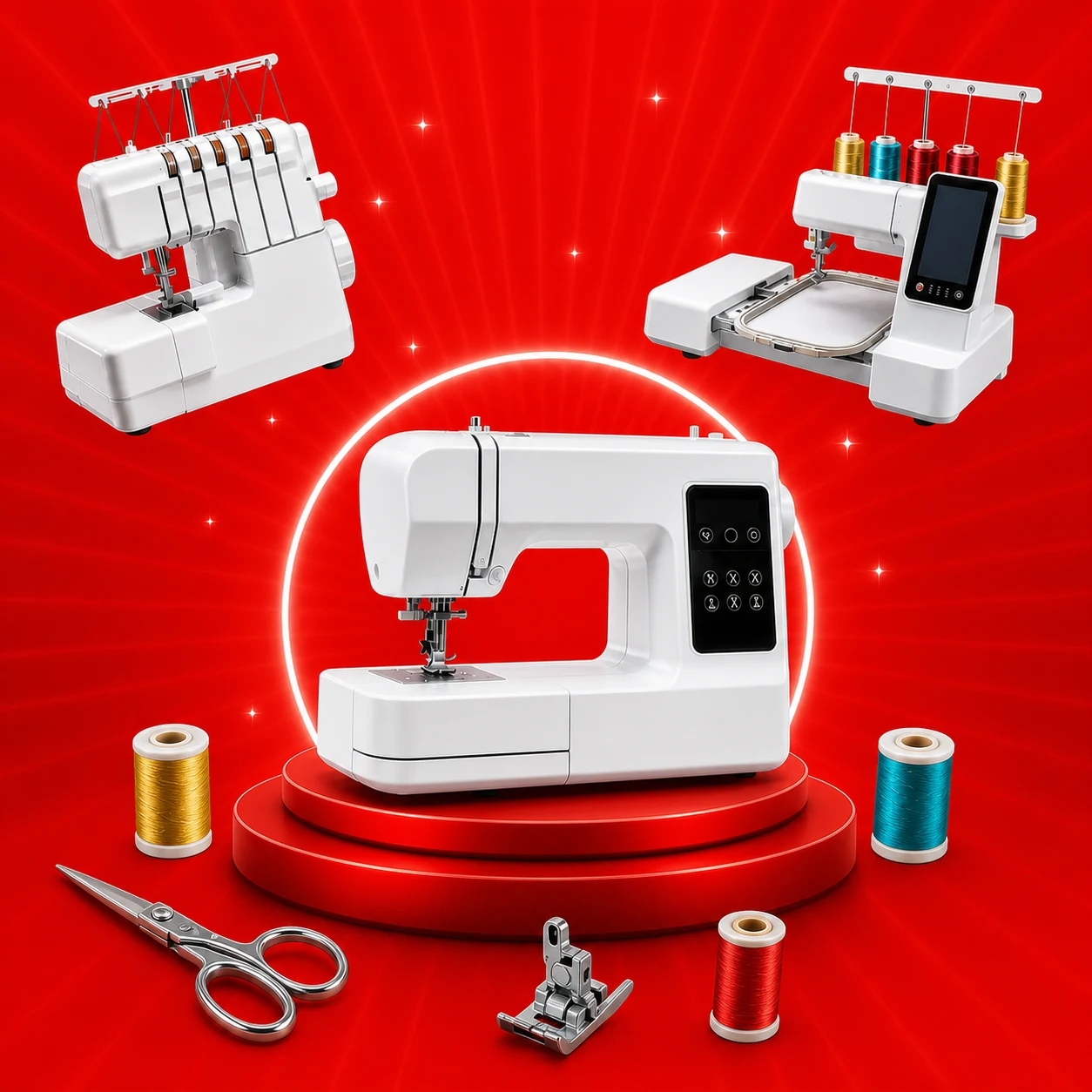
A traditional mechanical sewing machine contains numerous moving mechanical components. A modern computerised machine combines mechanical sewing mechanisms with electronics, sensors, motors and displays. Computerised machines should be inspected by someone familiar with the particular type of equipment.
What About Embroidery Machines?
Embroidery machines can perform extremely large numbers of stitches during a single design.
If you regularly machine embroider, pay attention to stitch quality, thread breaks, unusual sounds, hoop movement and needle alignment. Follow the manufacturer’s recommended maintenance and servicing schedule.
What About Overlockers?
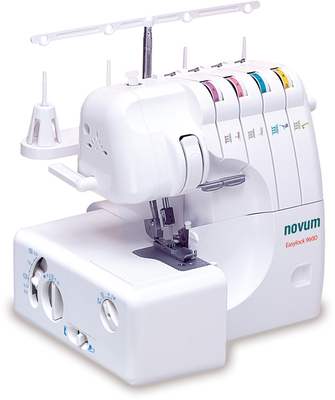
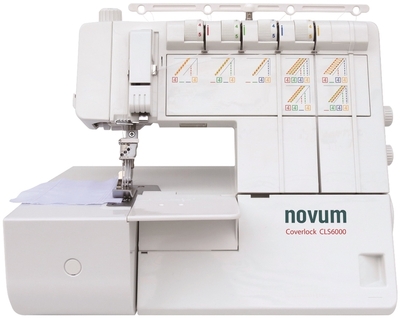
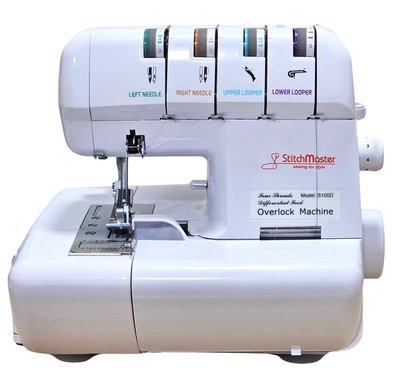
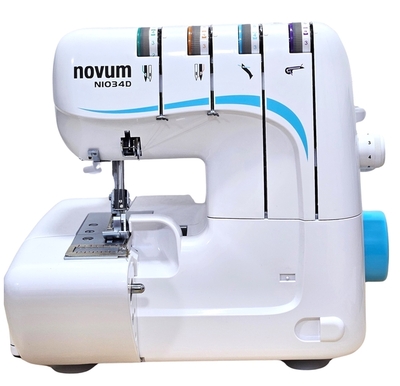
Overlockers also benefit from regular cleaning and maintenance. Their cutting system and multiple-thread mechanism can generate and collect considerable amounts of lint.
Keep the accessible areas clean according to the manufacturer’s instructions and arrange servicing if performance deteriorates.
Is Sewing Machine Servicing Worth It?
For a good-quality machine you regularly use, servicing can be worthwhile. Replacing a sewing machine simply because it’s developed a correctable mechanical issue may be unnecessary.
A service can help maintain smooth operation, identify developing problems, improve stitch consistency and extend the useful life of the machine. For older machines, a technician can also advise whether a repair is economically worthwhile.
Don’t Wait Until the Machine Completely Stops
If your sewing machine starts making unusual noises or its stitch quality suddenly changes, don’t ignore it for months. Small problems can sometimes become larger ones.
Equally, don’t assume every broken thread means you need a service. Check the basics first.
Quick Sewing Machine Service Checklist
Consider having your machine professionally checked if:
- You’ve cleaned and rethreaded it but problems continue
- You’ve tried a fresh, correct needle
- Stitch quality remains inconsistent
- The machine is making unusual noises
- Fabric isn’t feeding correctly
- The machine has been unused for many years
- You’re a heavy user and it’s been a long time since its last service
Keeping Your Machine Running Smoothly
Regular cleaning at home combined with professional attention when required can help keep your machine sewing smoothly for years.
If you’re unsure whether your sewing machine needs servicing or repair, getting advice from an experienced sewing-machine specialist is a good place to start.
And remember: before assuming something serious is wrong, clean the machine, rethread it and fit a fresh needle. Those three simple steps solve a surprising number of everyday sewing problems.