





Buying your first sewing machine is exciting, but with hundreds of models, features and prices to choose from, knowing where to start can be difficult.
Do you need a mechanical or computerised sewing machine? How many stitches do you actually need? Is it worth spending a little more? And what features will genuinely make learning to sew easier?
The best first sewing machine isn’t necessarily the cheapest or the one with the most features. It’s the machine that suits what you want to sew today while giving you enough flexibility to develop your skills.
To make choosing easier, here are 10 things you should know before buying your first sewing machine.
1. Think About What You Want to Sew
Before comparing brands or specifications, think about what you’d actually like to make. Are you interested in making your own clothes, alterations and repairs, quilting, curtains and cushions, bags and accessories, children’s clothes, general craft projects, or sewing denim and heavier fabrics?
If you’re mainly interested in basic alterations and occasional sewing, you probably don’t need a machine packed with advanced features. If you’re planning to make clothes, quilts or larger projects regularly, investing in a machine with more features and room to develop may be worthwhile.
Choose your machine around your projects, not simply the number of features on the box.
2. Set a Realistic Budget
There’s a notable difference between the cheapest sewing machine you can buy and a quality machine designed to provide years of reliable use.
While you don’t need to spend a fortune on your first machine, buying purely on price can be a false economy. As you move through the price ranges, you’ll generally find improvements in areas such as build quality, motor performance, fabric feeding, stitch selection, automatic features, lighting, ease of use and included accessories.
Decide how much you’re comfortable spending and then look for the best machine within that budget. If you’re serious about learning to sew, it can often be worth spending a little more on a machine you won’t quickly outgrow.
3. Mechanical or Computerised Sewing Machine?
This is one of the biggest choices facing first-time buyers.
Mechanical sewing machines generally use traditional dials and controls to adjust the stitch, stitch length and other settings. They’re popular because they’re straightforward, reliable, easy to understand, usually more affordable and great for learning the fundamentals. Mechanical machines can typically be oiled by the user as part of routine care, which often makes them simpler to maintain at home, though you should always check your specific manual.
Computerised sewing machines use electronic controls, buttons and displays to select stitches and settings. Depending on the model, they may include LCD screens, electronic stitch selection, speed control, needle up/down, automatic buttonholes, automatic thread cutting, start/stop sewing and decorative stitches.
Computerised doesn’t necessarily mean complicated. In fact, many beginners find a computerised sewing machine easier because the machine automatically recommends or selects certain settings. Computerised machines generally shouldn’t be oiled by the user and are better left to a professional if something electronic needs attention.
Neither option is automatically better. It depends on your budget and how you prefer to sew.
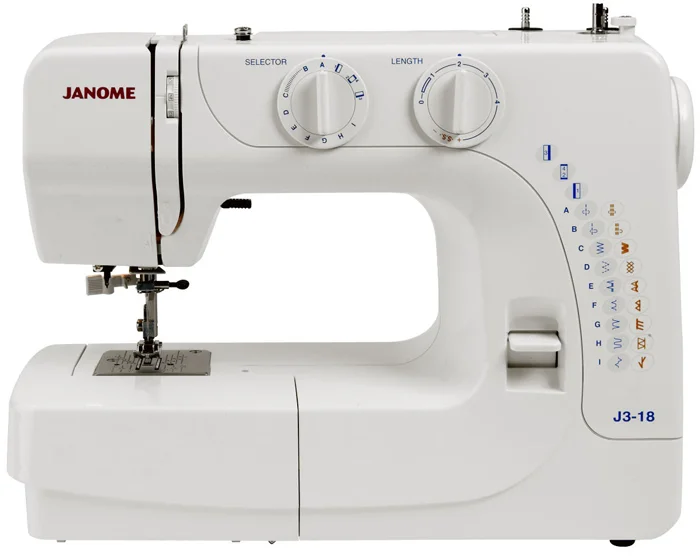
A Mechanical sewing machine: the Janome J3-18
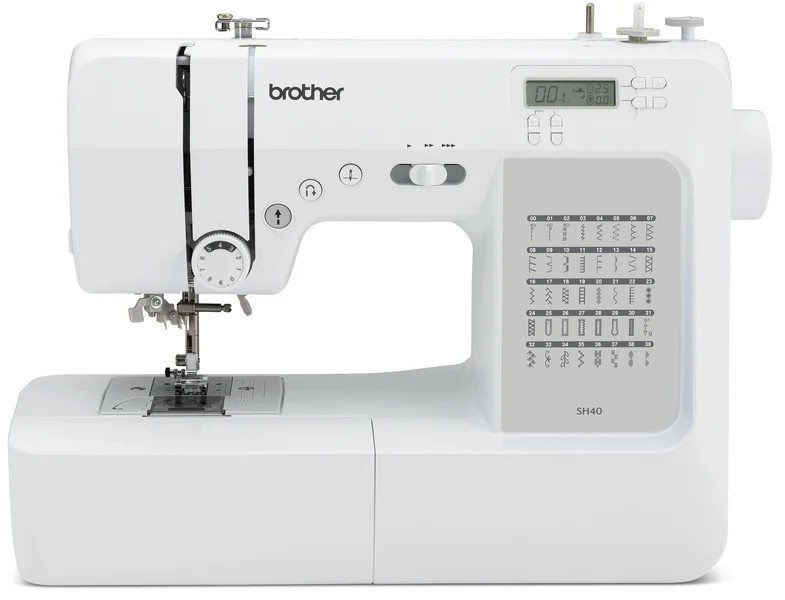
A computerised sewing machine: the Brother SH40
4. You Probably Don’t Need Hundreds of Stitches
It’s easy to be impressed by a sewing machine advertising 100, 200 or even 500 different stitches. But ask yourself how many you’ll actually use.
For most everyday sewing, you can get a long way with a straight stitch and a zigzag stitch alone. Beyond those, the most genuinely useful additions for general dressmaking and repairs are a stretch stitch for knits, a blind hem stitch, an overcasting stitch to help finish raw edges, and a buttonhole function.
Decorative stitches are fantastic if you enjoy creative sewing, quilting or embellishment, but don’t choose a machine purely because it has the biggest stitch library. For a beginner, quality and usability are more important than quantity.
5. Look for Features That Make Learning Easier
Some sewing machine features might initially sound like luxuries but can make a significant difference when you’re learning.
An automatic needle threader helps get the thread through the eye of the needle without struggling. A drop-in bobbin makes loading and monitoring your bobbin straightforward and easier to see at a glance. Speed control allows you to limit the maximum sewing speed, which is particularly useful for beginners who are still learning to control their fabric. Needle up/down lets you choose whether the needle stops in the fabric or above it, which is extremely useful when turning corners. A one-step buttonhole function creates consistent buttonholes without requiring lots of manual adjustment, and good LED lighting around the needle and sewing area makes accurate sewing considerably easier.
You don’t need every automatic feature available, but the right ones can make your first sewing experiences much more enjoyable.
6. Consider the Fabrics You’ll Be Using
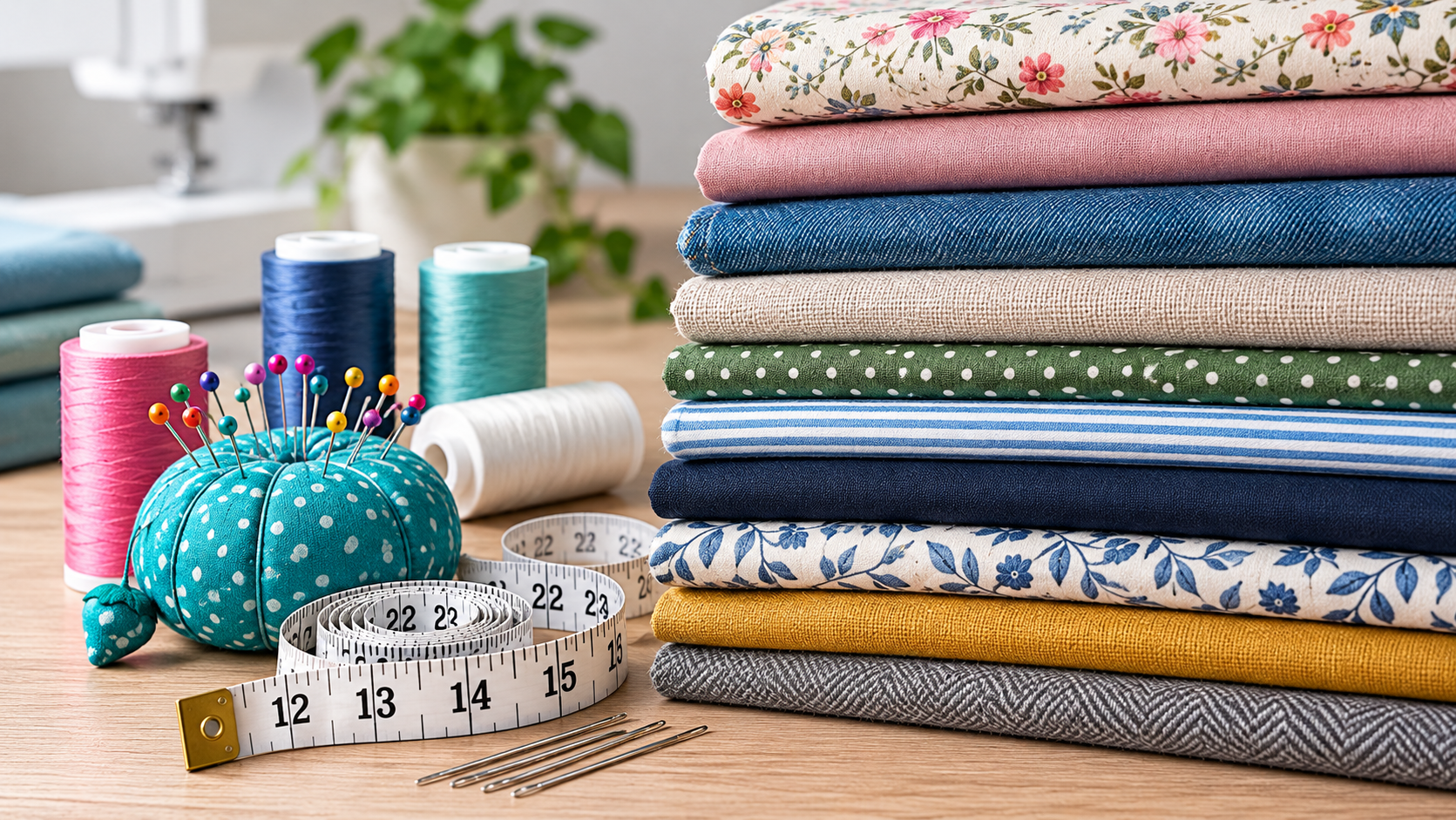
Not every sewing machine handles every fabric equally well.
If you’re planning to sew lightweight cottons and standard dressmaking fabrics, most quality domestic sewing machines should be suitable. But if you want to regularly work with denim, canvas, multiple fabric layers, stretch jersey, upholstery fabrics or heavy curtains, you’ll need to pay more attention to the machine’s feeding system, power and capabilities.
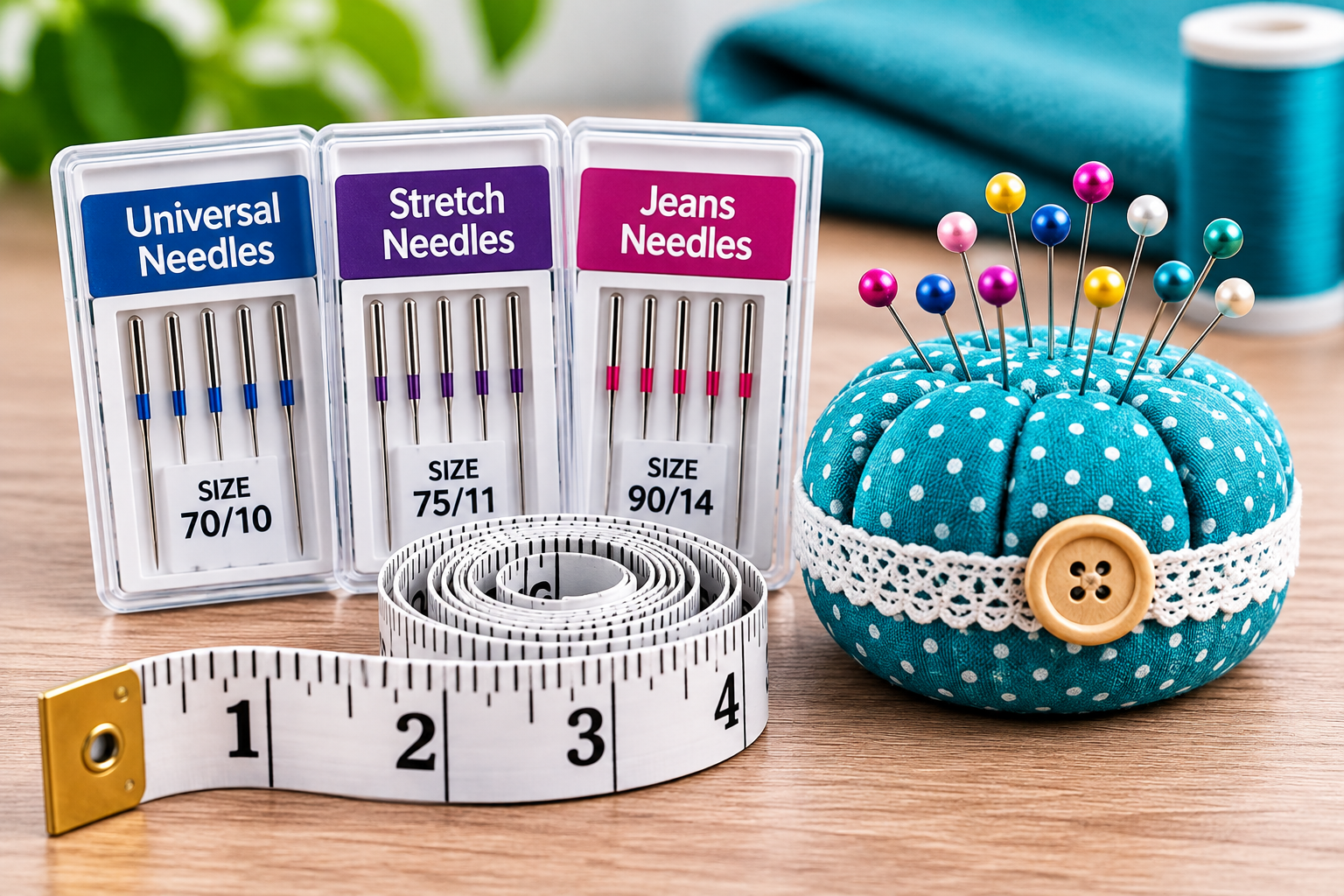
Remember that the correct sewing machine needle is also extremely important when working with different fabrics. Don’t assume a more powerful-looking machine automatically means you can sew any material; always check the manufacturer’s recommendations.
7. Think About Where Your Sewing Skills Might Go Next
Your first sewing machine shouldn’t only be suitable for your first project. Think about what you might want to make in six months or a year’s time.
You might start with simple cushions, then move on to bags, pyjamas, dresses, jackets or quilting as your confidence grows. This doesn’t mean buying the most expensive machine you can afford; it means choosing one with enough features and capability to grow with you.
Spending slightly more initially may be better value than replacing a very basic machine after a year.
8. Choose a Trusted Sewing Machine Brand
There are plenty of sewing machine manufacturers, but choosing an established brand can make life easier in the long term.
Well-known sewing machine brands include Janome, Brother, Jaguar, Novum, Necchi, Gritzner, Silver and Stitchmaster. Established brands generally provide better access to accessories, replacement parts, instruction manuals, technical information, servicing, compatible presser feet, needles and bobbins.
Don’t worry too much about finding the single “best” brand. The better question is: which machine from a reputable brand best suits my needs and budget?
9. Consider After-Sales Support
This is something many first-time buyers overlook.
A sewing machine isn’t like buying a kettle or toaster. You may own it for many years and occasionally need advice, accessories, servicing or repairs. Buying from a specialist sewing machine retailer means you can benefit from knowledgeable advice before and after your purchase.
Good after-sales support can help with setting up your machine, choosing accessories, finding compatible presser feet, troubleshooting, servicing, repairs, warranty queries and upgrading in the future. Being able to speak to someone who actually understands sewing machines can be extremely valuable when you’re just starting out.
It’s also worth checking the length of the warranty or guarantee before you buy, since this can vary considerably between machines. Mechanical machines often carry a notably longer standard warranty than electric or computerised models, so it’s worth checking the specific terms for the machine you’re considering rather than assuming.
10. Try the Machine If You Can
You can learn a huge amount from specifications and reviews, but nothing beats actually sitting in front of a sewing machine.
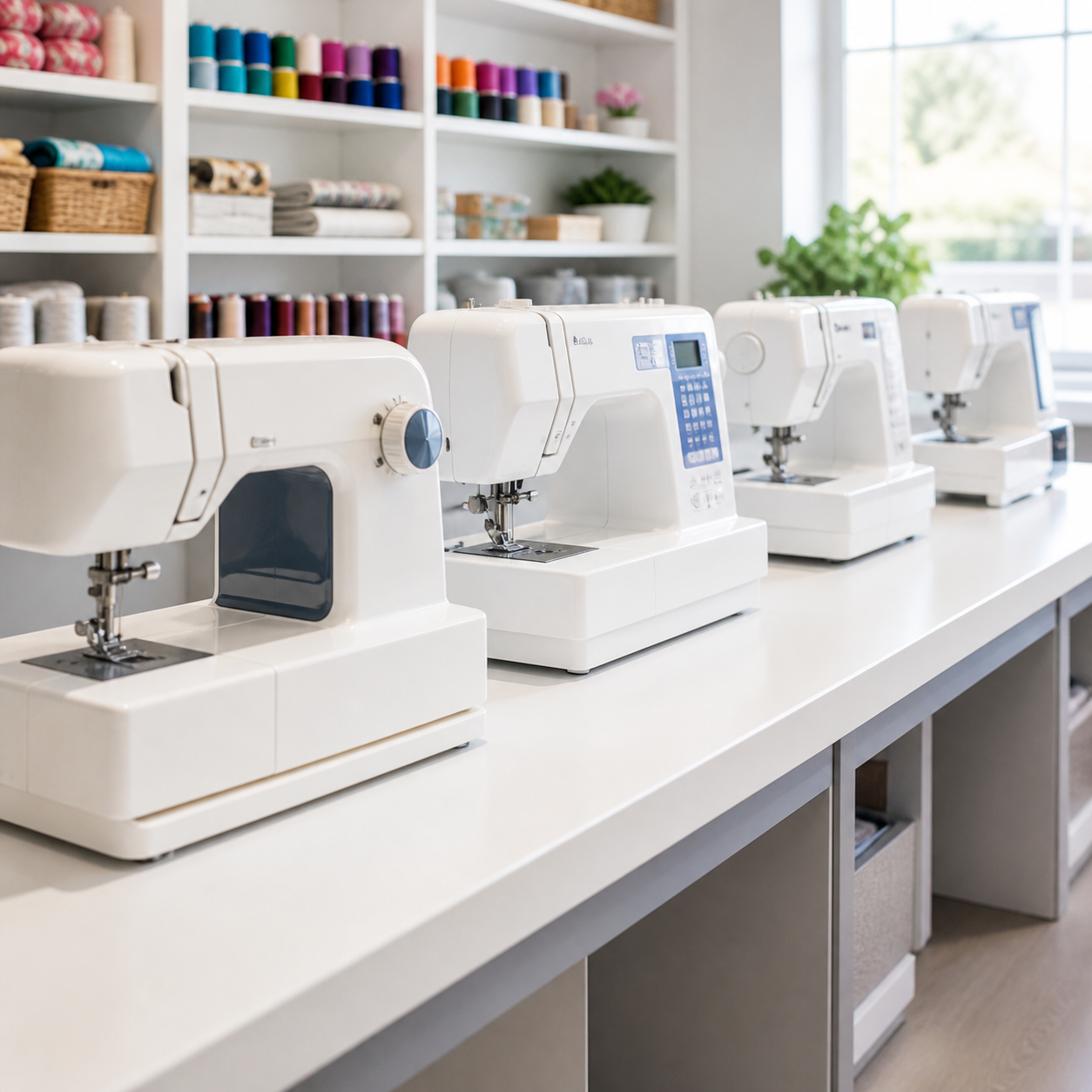
If possible, visit a sewing machine showroom and try several models. Pay attention to how smoothly the machine runs, how noisy it is, how easy it is to thread, how the controls feel, visibility around the needle, how smoothly it feeds fabric, and how comfortable you feel using it overall. If you plan to carry your machine to classes or a sewing group regularly, it’s also worth thinking about its weight and whether a suitable carrying bag or case is available.
Two machines might have very similar specifications but feel completely different when you sew with them. A specialist retailer can also demonstrate features you might otherwise overlook and help you compare machines based on what you actually want to make. Reading reviews from other owners, whether on a retailer’s site, shopping sites or sewing forums, can also highlight practical likes and dislikes that don’t always come across in the specification sheet.
Bonus Tip: Don’t Forget the Accessories
When comparing machines, look at what’s actually included.
Accessories may include a standard presser foot, zipper foot, buttonhole foot, blind stitch foot, overcasting foot, spare bobbins, needle set, cleaning brush, screwdriver, and a hard case or dust cover. Some machines include considerably more than others, so factor this into the overall value.
You can usually add accessories later, but it’s useful to know what you’re getting from the start.
Bonus Tip: Think About Your Sewing Space
It’s easy to focus entirely on the machine itself and forget about where you’ll actually use it.
If you expect to sew regularly, a dedicated table or desk with some built-in storage can make a real difference to your comfort and how often you actually sit down to sew. Even a small, consistent space set up for sewing tends to get used more than a machine that has to be unpacked and set up from scratch every time.
How Much Should You Spend on Your First Sewing Machine?
There’s no perfect amount because everyone’s requirements are different.
If you’re experimenting with sewing and aren’t sure whether you’ll continue, an entry-level machine may be all you need. If you already know you’re serious about dressmaking, quilting or another type of sewing, investing in a better-equipped machine can make more sense.
Instead of asking “what’s the cheapest sewing machine I can buy?”, consider asking “what’s the best sewing machine I can get within my budget?” That small change in thinking can result in a much better long-term purchase.
Common First Sewing Machine Buying Mistakes
There are a few mistakes worth avoiding.
Buying based only on price is one: the cheapest machine isn’t necessarily the best value. Choosing based on stitch count is another, since hundreds of stitches won’t help if the machine doesn’t suit the projects you want to make. Buying a machine that’s too advanced can sometimes make learning feel more complicated than it needs to be, while at the opposite end of the scale, an extremely basic machine may become limiting once your confidence develops. Finally, it’s worth considering what happens after you’ve bought the machine, not just the initial purchase, so don’t ignore support and servicing.
Frequently Asked Questions
What’s the best sewing machine for a beginner?
There’s no single machine that’s best for everyone. Look for a reliable model from a recognised manufacturer with straightforward controls and the essential stitches required for your projects.
Which sewing machine brand is best for beginners?
There isn’t a single brand that’s automatically best, and several well-known manufacturers make genuinely good beginner machines. Brother is particularly well known for easy-to-use computerised features, and Janome has an excellent reputation for build quality and straightforward operation. Necchi and Gritzner are both long-established European manufacturers with decades of sewing machine production behind them, and Jaguar’s machines are regularly reviewed in the UK sewing press. Rather than fixating on the brand name alone, it’s more useful to compare individual models against what you actually want to sew, since the right machine for you can come from any of several reputable manufacturers.
Should a beginner buy a mechanical or computerised sewing machine?
Either can be a good choice. Mechanical machines are straightforward and provide hands-on control, while computerised machines can make learning easier through features such as speed control and automatic stitch settings.
Do I need an expensive sewing machine to learn?
No. You don’t need a premium machine to learn how to sew. A quality entry-level sewing machine with the essential stitches and controls can be an excellent place to start.
Should I buy an overlocker with my first sewing machine?
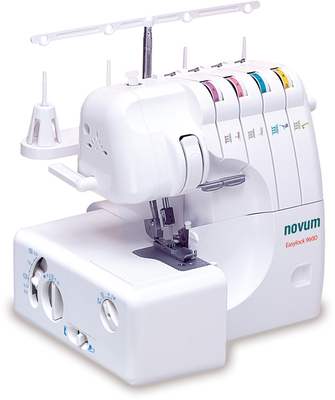
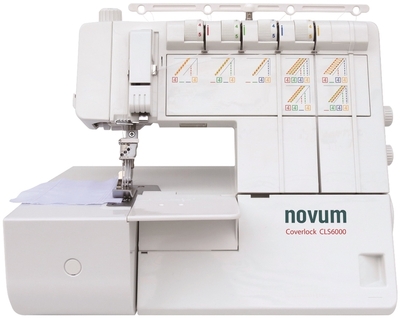
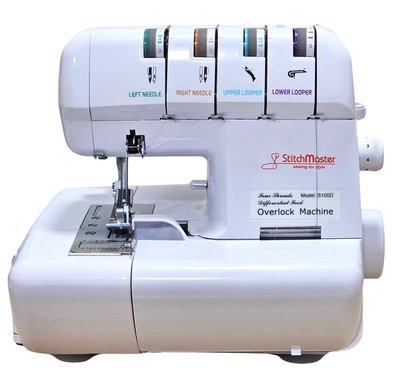
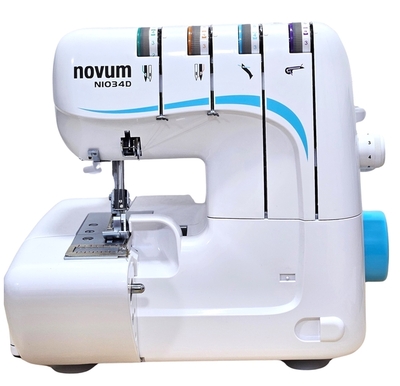
Probably not immediately. An overlocker is a fantastic addition if you start making lots of clothing, particularly using stretch fabrics, but it doesn’t replace a conventional sewing machine. Learn the fundamentals on your sewing machine first and consider adding an overlocker as your skills develop.
Our First Sewing Machine Checklist
Before you buy, ask yourself:
- What do I want to sew?
- What’s my realistic budget?
- Do I prefer mechanical or computerised controls?
- Which stitches will I actually use?
- Does it have beginner-friendly features?
- Can it handle the fabrics I want to sew?
- Will it still suit me as my skills improve?
- Is it made by an established manufacturer?
- What accessories are included?
- Is good after-sales support available?
If you can confidently answer those questions, you’re much closer to finding the right machine.
Final Thoughts
Buying your first sewing machine should be exciting rather than confusing.
Don’t get distracted by huge stitch counts or features you’re unlikely to use. Instead, concentrate on build quality, ease of use, the projects you want to make and how much room the machine gives you to develop your skills.
A good first sewing machine should make you want to sew. It should be easy enough that you can sit down and start learning, but capable enough that as your confidence grows, you can experiment with more ambitious projects.
Take your time, compare several machines and ask for advice if you’re unsure. Choosing the right machine at the beginning can make learning easier, more enjoyable and ultimately help turn sewing into a hobby you’ll enjoy for many years.
If you need any help choosing your first sewing machine, call the team at GUR Sewing Machines and we would be glad to help