





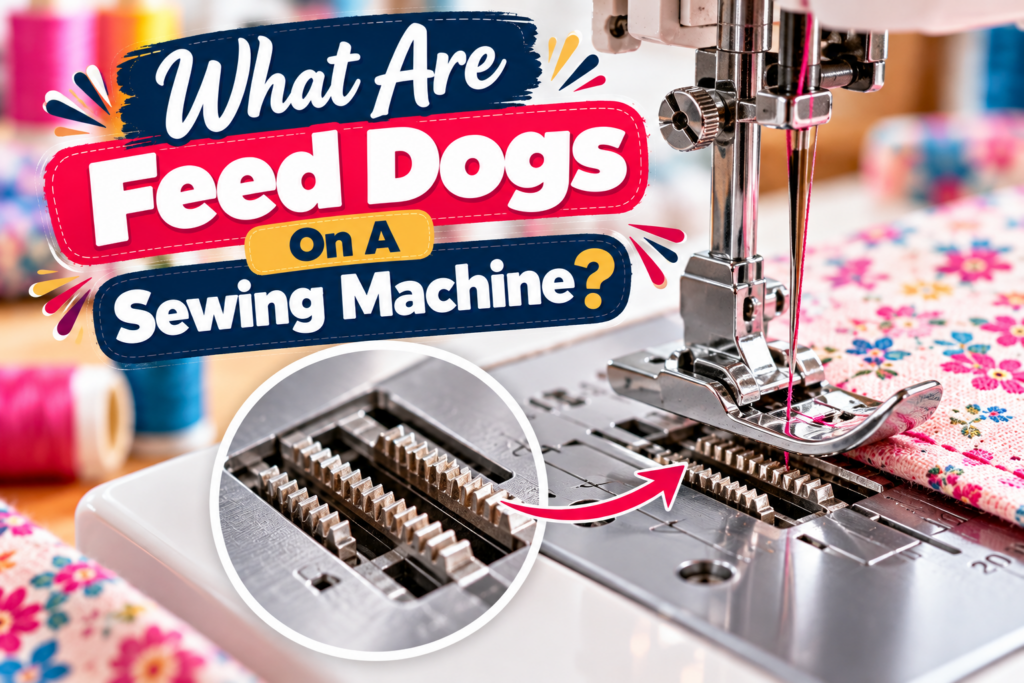
If you’ve ever wondered how your sewing machine moves fabric underneath the needle without you having to pull it through, the answer is feed dogs.
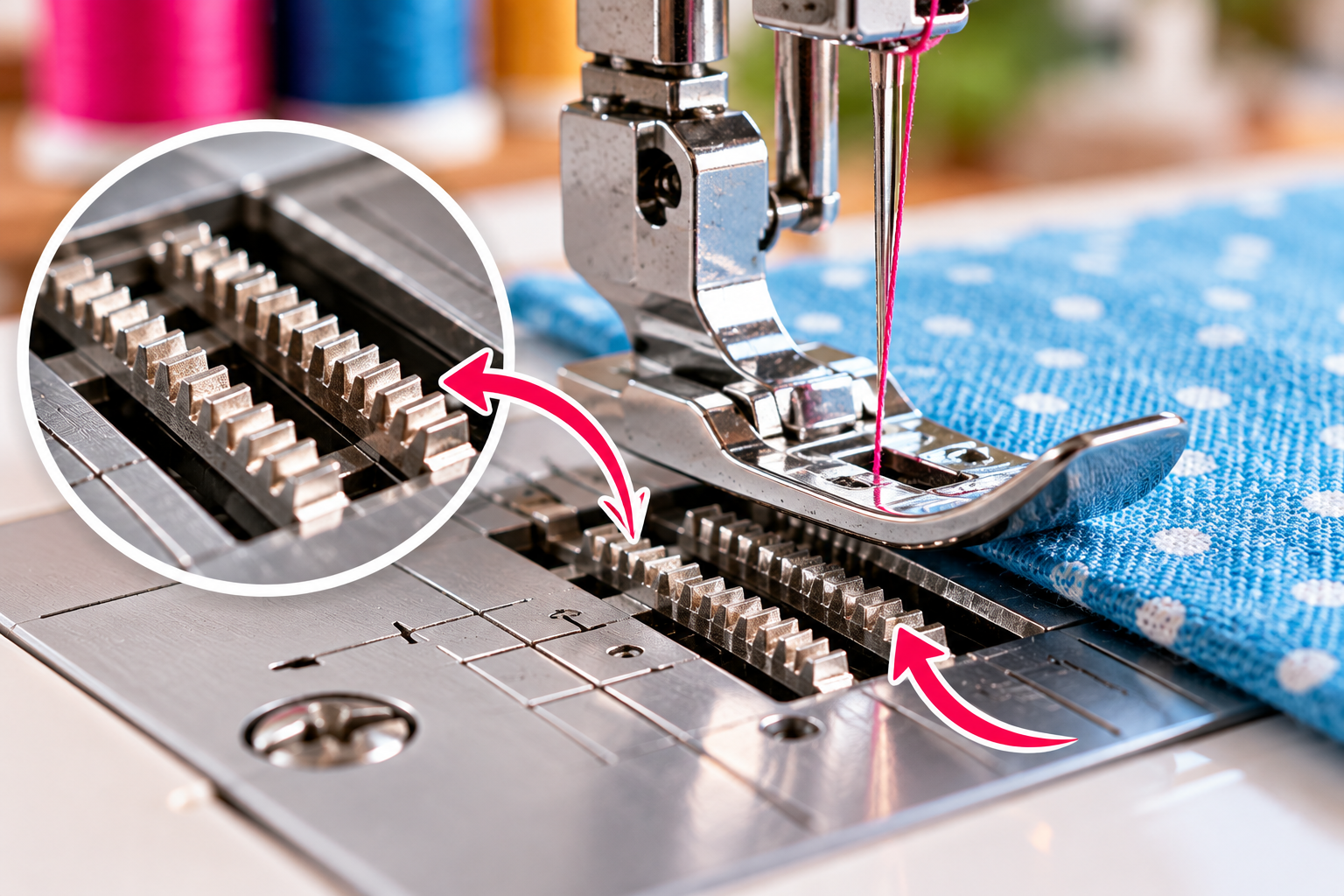
Feed dogs are the small metal teeth underneath the presser foot that grip the fabric and move it through the sewing machine as you stitch.
They’re easy to overlook because they’re mostly hidden beneath the needle plate, but they’re one of the most important parts of your sewing machine.
Understanding how feed dogs work can also help you diagnose common problems such as uneven stitches, fabric not feeding properly, puckering and difficulty sewing multiple layers.
Where Are the Feed Dogs?
Look underneath your sewing machine’s presser foot. You’ll see rows of small metal teeth protruding through slots in the needle plate. These are the feed dogs.
When the sewing machine operates, they move in a repeated cycle: up, back, down, then forward. The feed dogs rise through the needle plate, grip the underside of your fabric and move it backwards. They then drop below the needle plate, move forward and repeat the process. This happens continuously as you sew.
Why Are They Called Feed Dogs?
The name sounds slightly strange, but “feed” describes their job: they feed the fabric through the sewing machine.
You don’t normally need to push or pull the material. The feed dogs do the work. Your hands are there primarily to guide the fabric and keep your seam aligned.
What Does the Presser Foot Do?
Feed dogs work together with the presser foot. The presser foot holds the fabric against the feed dogs, and the feed dogs then grip the underside and move the material.
Think of it this way: the presser foot holds the fabric, and the feed dogs move it. Both need to work correctly to produce consistent stitching.
Should I Push Fabric Through a Sewing Machine?
No. This is one of the most common beginner mistakes.
You should guide the fabric rather than force it through. Pulling fabric from behind the machine can stretch the fabric, create uneven stitches, distort seams, bend the needle and affect stitch quality overall. Let the feed dogs control the speed of the fabric.
How Do Feed Dogs Control Stitch Length?
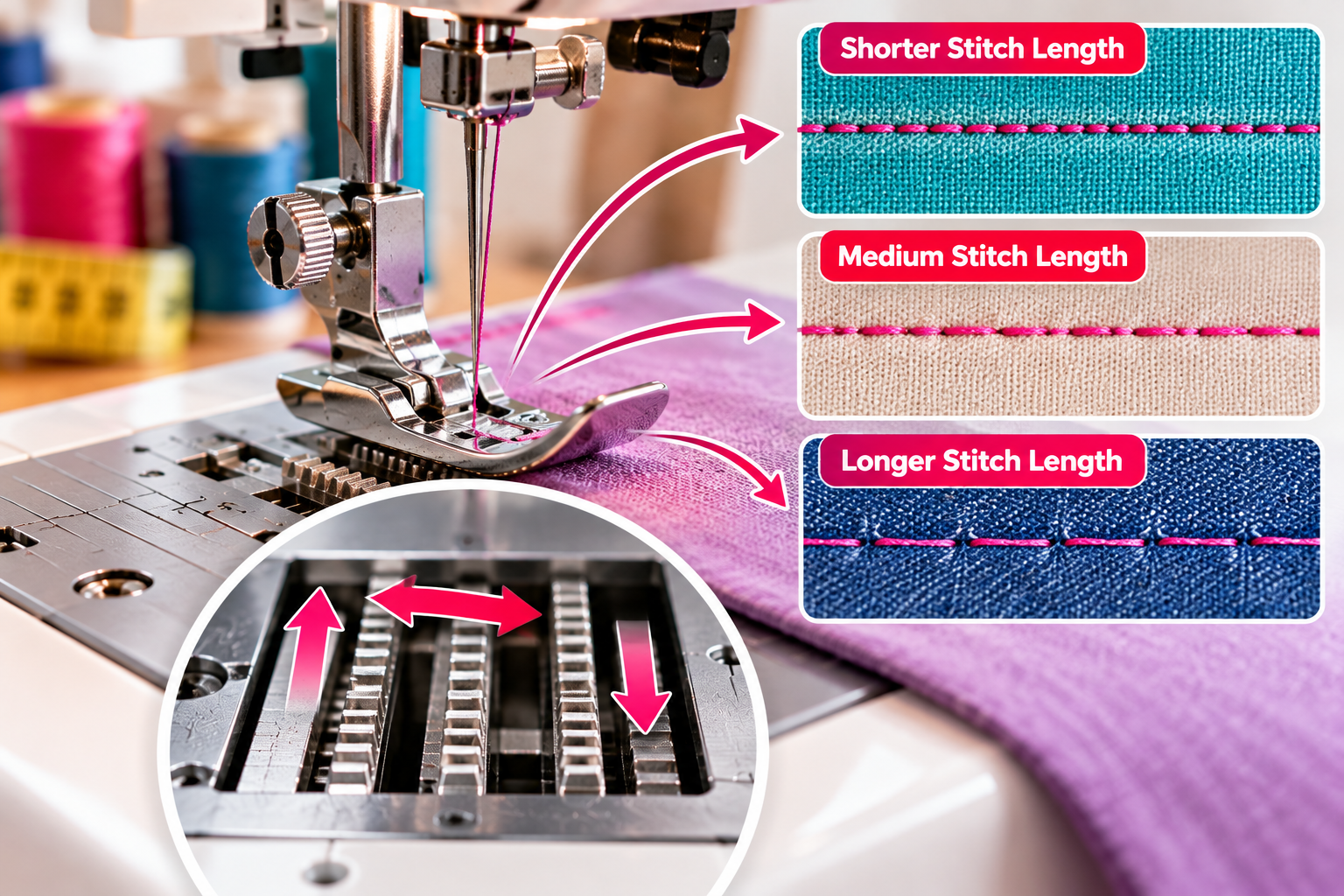
The distance the feed dogs move the fabric between stitches helps determine your stitch length. Select a longer stitch and the fabric moves further between needle penetrations. Select a shorter stitch and it moves a smaller distance.
That’s why your sewing machine can create anything from tiny stitches to long basting or topstitching stitches.
Why Isn’t My Fabric Moving?
If your needle is moving but the fabric isn’t feeding, check the feed dogs. There are several possible reasons.
Feed dogs are lowered. Some sewing machines allow you to lower or “drop” the feed dogs. If they’ve accidentally been left down, they won’t grip the fabric normally. Check your machine’s feed-dog control, which depending on the model might be a switch, lever, button or electronic setting. After raising the feed dogs, some machines require you to turn the handwheel or begin sewing before they fully re-engage, so check your manual if they don’t seem to respond straight away.
The presser foot is raised. If the presser foot isn’t lowered onto the fabric, the material isn’t properly held against the feed dogs. Make sure the presser foot is down before sewing.
Stitch length is too short. If you’ve accidentally selected an extremely short stitch length, the fabric may appear to barely move. Check your stitch settings.
Feed dogs are full of lint. Sewing produces lint and fluff, and over time debris can accumulate around the feed dogs, bobbin area, needle plate and hook. Heavy lint buildup can potentially affect feeding, so clean your sewing machine according to the manufacturer’s instructions.
Fabric is too thick. If you’re trying to force an excessive number of fabric layers underneath the presser foot, the feed dogs may struggle to move them. This is common when sewing denim, bags, heavy canvas, thick quilts and bulky seams. Don’t keep pressing the foot pedal if the machine is clearly struggling.
Why Does My Fabric Feed Unevenly?
The feed dogs directly grip the bottom layer of fabric. This can create problems when you’re sewing several layers, since the lower layer may feed slightly differently from the upper layer. By the end of a long seam, fabrics that started perfectly aligned can become mismatched.
This is one reason walking feet and dual-feed systems exist.
What Is a Walking Foot?
A walking foot helps feed fabric from above while the feed dogs work underneath. This can be useful for quilting, multiple layers, slippery fabrics, pattern matching and some stretch fabrics.
The feed dogs haven’t been replaced; the walking foot simply helps them.
What Is Dual Feed?
Some sewing machines have a built-in or dedicated dual-feed system. The basic idea is similar to a walking foot: instead of relying entirely on the feed dogs underneath, the machine also provides feeding assistance from above. This can help keep multiple layers aligned, particularly on bulky or pile fabrics such as velveteen.
Dual feed is particularly useful for quilting and difficult fabrics. If your machine offers both a built-in dual-feed function and a walking-foot attachment, it’s worth testing each on your project, since one can sometimes give better results than the other depending on the fabric.
Why Does Jersey Go Wavy?
Stretch fabric can sometimes become stretched as it passes underneath the presser foot. The feed dogs move from underneath while pressure from above can cause the fabric to distort.
Possible solutions include using the correct stretch needle, a suitable stretch stitch, reduced presser-foot pressure where adjustable, a walking foot or dual feed, appropriate stabilisation, and simply avoiding pulling the fabric. Don’t automatically assume your thread tension is responsible.
What Is Differential Feed?
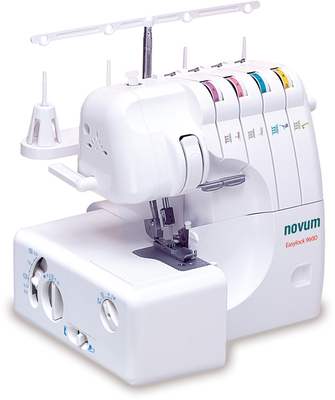
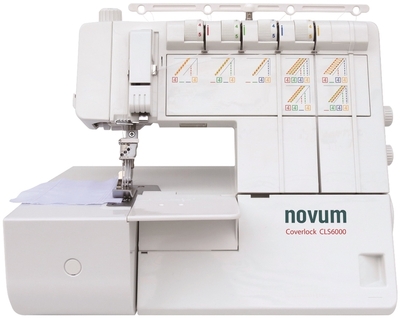
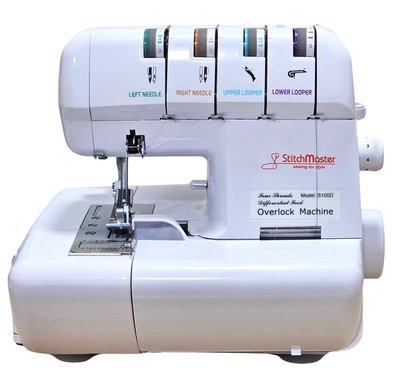
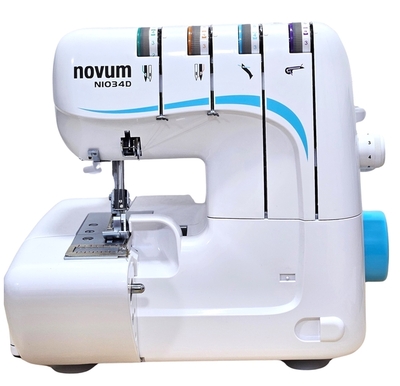
If you’ve used an overlocker, you may have heard of differential feed.
Unlike a domestic sewing machine, an overlocker typically has two sets of feed dogs, a front set and a back set, and differential feed allows them to move at different rates relative to each other. This gives you much greater control over how fabric is handled.
At a differential feed setting of around 1, both feed dogs move at roughly the same rate, which suits most woven fabrics. Increasing the setting so the front feed dog moves faster than the back helps smooth out the wavy edge that stretchy knits such as jersey can develop, and pushing the setting higher still can gather fabric into ruffles. Reducing the setting below 1 so the back feed dog pulls more fabric can stretch the edge slightly, which is sometimes used deliberately to create a scalloped “lettuce” edge on stretchy fabric.
Why Is Differential Feed Useful?
It’s particularly useful with stretch fabrics. If jersey is becoming wavy, differential feed can help compensate. It can also deliberately create gathering, stretching or decorative effects, and the setting can often be adjusted on the fly to deal with tricky areas such as bias edges or inset sleeves.
This is one of the biggest advantages of using an overlocker for stretch garment construction.
Do Normal Sewing Machines Have Differential Feed?
Typically, no. Differential feed is primarily associated with overlockers.
Domestic sewing machines may instead offer features such as adjustable presser-foot pressure, walking feet and dual-feed systems. These help solve some similar fabric-handling problems in different ways.
What Does “Drop Feed Dogs” Mean?
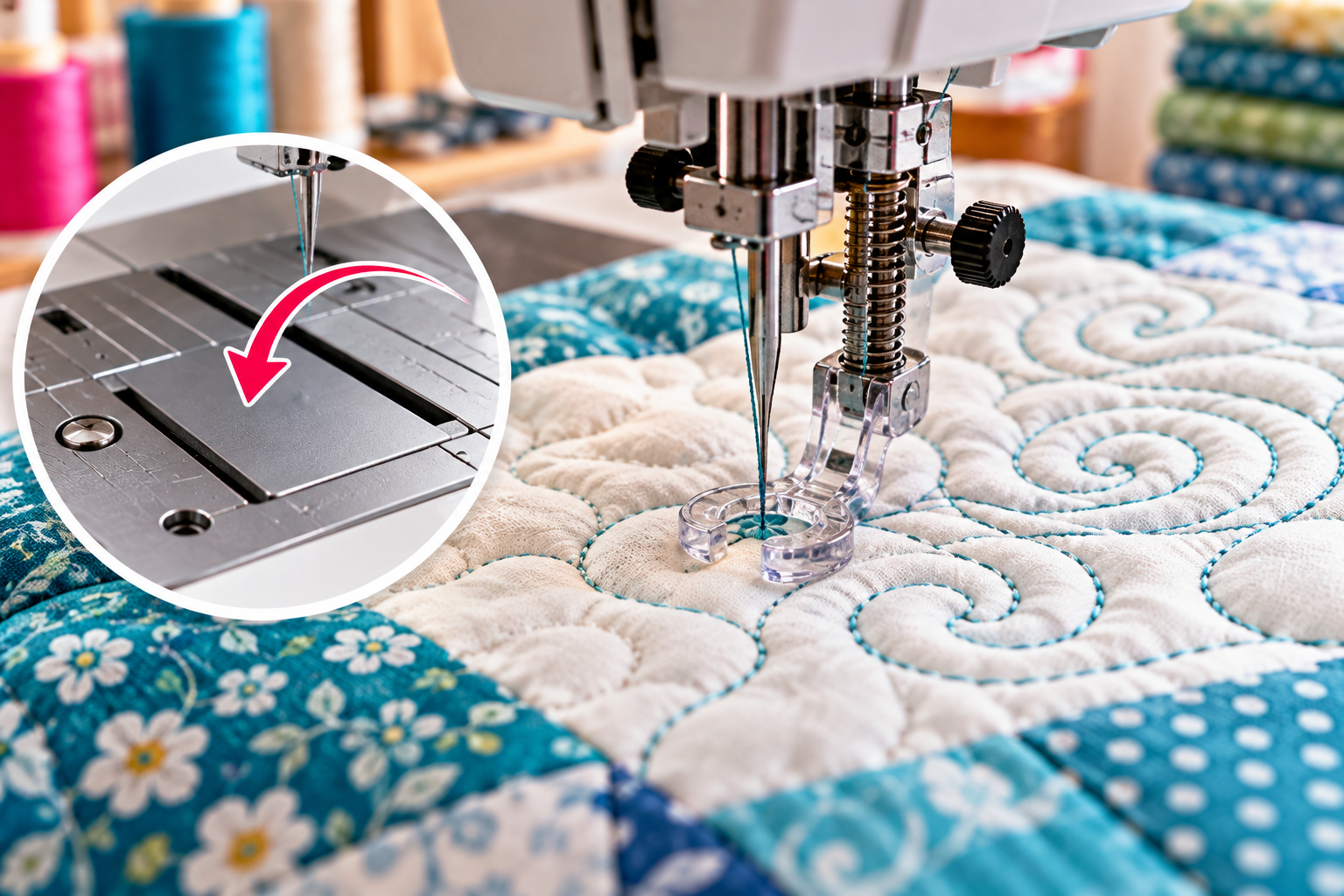
Dropping the feed dogs means lowering them below the needle plate so they no longer automatically move the fabric. You might want to do this because sometimes you want to control the fabric movement yourself.
Feed Dogs and Free-Motion Quilting
Free-motion quilting is one of the main reasons you might lower the feed dogs. During normal sewing, the machine controls fabric movement, but during free-motion quilting, you control it yourself, moving the quilt left, right, forward, backward, diagonally and in curves as needed. This allows you to create designs such as feathers, swirls, loops, pebbles and meandering stitching, with stipple quilting often recommended as a good exercise for beginners to practise with.
Rather than setting a stitch length on the machine, your stitch length results from how fast you sew combined with how fast you move the fabric, so a steady machine speed and slow, smooth hand movements help avoid gaps or overly long stitches. You’ll normally use a suitable free-motion or darning foot, which typically has a spring action that holds the fabric down as the needle rises, helping stop it from lifting too far with the needle.
Not every quilter lowers the feed dogs for this technique. Some prefer to leave them engaged and use a darning or free-motion foot regardless, so it’s worth trying both approaches and seeing which you find more comfortable.
Feed Dogs and Darning
Traditional free-motion darning is another reason to lower the feed dogs. You manually move the fabric backwards and forwards underneath the needle to rebuild a damaged area. Some machines even include a dedicated darning or free-motion foot.
Do I Have to Lower Feed Dogs for Free-Motion Quilting?
This depends on the sewing machine and technique. Some machines use alternative free-motion settings or accessories. Always follow the instructions for your particular model, and don’t assume every machine should be configured in exactly the same way.
Can Every Sewing Machine Drop Its Feed Dogs?
No. Many modern machines have a drop-feed mechanism, but some basic machines don’t. Certain machines may instead use a darning plate that covers the feed dogs.
If free-motion quilting is important to you, check this feature before buying a sewing machine.
What Is a Darning Plate?
A darning plate is fitted over the needle plate or feed-dog area to prevent the feed dogs from moving the fabric. It effectively performs a similar practical job to dropping the feed dogs, and you then control fabric movement manually.
How Do I Lower My Feed Dogs?
The exact method depends on the machine. Look for a feed-dog lever or control, which may be on the front, at the rear, under the free arm, inside an accessory compartment, or controlled electronically. Check your sewing machine manual rather than forcing anything.
Why Won’t My Feed Dogs Come Back Up?
This catches plenty of beginners. You’ve finished free-motion quilting, you move the lever back to the normal position, and nothing happens. On some machines, the feed dogs don’t immediately rise.
You may need to return the feed control to normal, turn the handwheel through a stitch cycle or begin sewing, and allow the mechanism to re-engage. Check your machine manual for the exact procedure.
Should Feed Dogs Be Up for Normal Sewing?
Yes. For normal sewing, you generally want the feed dogs engaged so the machine moves the fabric. This includes straight stitching, zigzag, garment construction, patchwork, topstitching and most decorative stitches. You only disengage them for particular techniques.
Can Feed Dogs Damage Fabric?
Feed dogs need enough grip to move material. On delicate fabrics, you may occasionally see impressions or experience feeding issues.
The solution isn’t normally to permanently lower them. Instead, you might need to consider presser-foot pressure, your needle, stitch settings, stabilisation or a specialist presser foot. Always test delicate fabric first.
What Is Adjustable Presser Foot Pressure?
Some sewing machines allow you to change how firmly the presser foot presses the fabric against the feed dogs. This can be extremely useful: thick fabric may require different handling, stretch fabric may benefit from reduced pressure to avoid distortion, and very lightweight fabric may need careful adjustment for smooth feeding.
This is a useful feature if you regularly sew many different materials.
Are More Feed Dogs Better?
You’ll sometimes see sewing machines advertised with particular numbers or arrangements of feed dogs. A sophisticated feed system can certainly help produce smooth, consistent fabric movement, but don’t choose a sewing machine based solely on the number of feed-dog points.
Overall feeding performance depends on the entire system, including the feed mechanism, presser foot, presser-foot pressure, needle plate, machine design and fabric itself. Real-world performance matters more than a single specification.
Feed Dogs and Quilting
Good fabric feeding is particularly important for quilting. When piecing quilt blocks, you want consistent stitch length, accurate seams and smooth feeding. When quilting the finished sandwich, you’re moving the quilt top, batting and backing together through the machine, which is where a walking foot or dual-feed system can become particularly useful.
Feed Dogs and Denim
Denim can also challenge the feeding system. The biggest problem usually occurs when the presser foot reaches a bulky seam: the front of the foot rises while the back remains lower, which can interfere with feeding. A hump jumper, or a presser foot with a self-levelling design, can help keep the foot level while the feed dogs move the fabric across the bulky section.
Feed Dogs and Buttonholes
Consistent feeding is also important when making buttonholes. If the fabric doesn’t move correctly, the buttonhole may become uneven. Correct stabilisation and presser-foot setup can make a big difference, and some advanced machines use sophisticated buttonhole feet or sensors to improve consistency.
How Do I Clean Feed Dogs?
Always follow your sewing machine manufacturer’s maintenance instructions. Generally, you’ll need to remove lint around the feed-dog and bobbin area using the appropriate cleaning brush. Don’t randomly add sewing-machine oil unless your manual specifically tells you to, since modern machines vary considerably in their maintenance requirements.
It can be tempting to blast lint away with compressed air, but this can potentially push debris deeper inside the sewing machine. Follow the manufacturer’s cleaning instructions instead; a small brush is often all that’s required for routine maintenance.
Signs Your Feed System Needs Attention
Potential warning signs include fabric not moving, uneven stitch length, fabric feeding to one side, difficulty starting seams, unusual noises, fabric bunching and poor feeding across multiple layers.
Before assuming there’s a mechanical fault, check that the feed dogs are engaged, the presser foot is down, the stitch length is correct, the machine is clean, the needle is suitable, the fabric isn’t excessively thick and the presser foot is appropriate. If problems continue, the machine may need professional attention.
Feed Dogs vs Walking Foot vs Differential Feed
Here’s the easiest way to understand the difference:
| System | What It Does | Commonly Found On |
| Feed dogs | Move fabric from underneath | Sewing machines |
| Walking foot | Helps feed fabric from above | Sewing machines |
| Dual feed | Integrated or dedicated upper feeding assistance | Selected sewing machines |
| Differential feed | Moves feed-dog sections at different rates | Overlockers |
They all relate to fabric feeding but perform different jobs.
What Should Beginners Remember About Feed Dogs?
You don’t need to understand every part of the mechanism. Just remember that feed dogs move your fabric through the sewing machine.
For normal sewing, leave them engaged and let them do the work. For techniques such as certain types of free-motion quilting, you may disengage them so you can control the fabric yourself. Most importantly, don’t pull the fabric through the machine.
Useful Sewing Machine Features for Better Fabric Feeding
If you’re choosing a new sewing machine, particularly for quilting or dressmaking, useful features can include a good feed-dog system, adjustable presser-foot pressure, walking-foot compatibility, dual-feed capability, a drop-feed function, speed control and extra presser-foot lift.
Which features matter most depends on what you plan to sew.
Fabric Feeding Matters More Than You’d Think
If you’re comparing machines, it’s easy to concentrate on features such as the number of built-in stitches. But fabric feeding is one of the things you’ll use every single time you sew.
A machine that feeds fabric smoothly and consistently can make sewing everything from cotton and jersey to quilts and denim considerably easier.
And next time you watch your fabric move neatly underneath the presser foot without you pulling it, you’ll know exactly what’s doing the work: those tiny metal teeth underneath your fabric, the feed dogs.